
Where Defense Sales Meets Acquisition Strategy
Week of 12 January 2026 | Issue 02 Unclassified
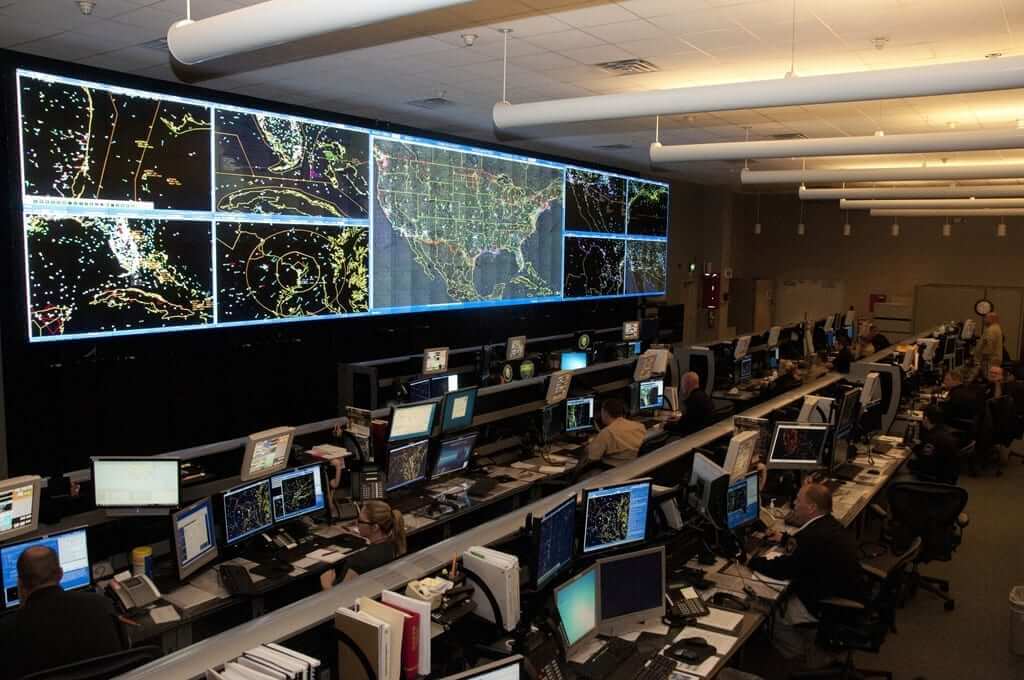
Stabilization missions, allied logistics, and compliance-driven sustainment are accelerating FY26 demand across DoD federal and Foreign Military Sales pathways.
AT-A-GLANCE DASHBOARD
Top 3 Near-Term Risks
- Additive manufacturing compliance tightening under allied frameworks
- Sanctions and end-user violations tied to Venezuela-adjacent activity
- CMMC enforcement cascading to primes via sub-tier suppliers
Top 3 Capture Opportunities
- DoD federal ISR, C2, logistics, and sustainment tied to stabilization missions
- FMS demand for border security, maritime awareness, and counter-UAS systems
- Certified, defense-grade additive manufacturing platforms and QA ecosystems
Top 3 Action Items for BD Teams
- Re-screen pursuits for sanctions and end-use exposure
- Align messaging to certified manufacturing and coalition compliance
- Update account plans for stabilization and monitoring missions
Market Temperature: HOT (Selective)
Executive Summary
Defense demand entering FY26 is increasingly shaped by stabilization operations, allied logistics execution, and compliance-driven acquisition behavior. Developments tied to Venezuela’s transition, evolving troop posture assumptions, and allied industrial controls—particularly on additive manufacturing—reinforce a buyer preference for vendors that reduce operational, political, and supply-chain risk.
For sales teams, the implication is clear: speed alone is no longer sufficient. Competitive advantage is shifting toward firms that can demonstrate certified production, coalition interoperability, sustainment depth, and comfort operating inside constrained regulatory and sanctions environments.
Regulatory Roundup – Compliance & Industrial Base Signals
Allied governments are tightening oversight across defense supply chains, with additive manufacturing receiving particular scrutiny. Emphasis is shifting toward certified processes, material traceability, digital thread control, and audit-ready production environments. Field-expedient or ad-hoc additive manufacturing for mission-critical components is increasingly viewed as an acquisition and sustainment risk.
In parallel, CMMC implementation and DFARS supply-chain enforcement continue to move from future requirements to active gates in competitive solicitations.
Acquisition & Procurement Updates
Post-conflict and stabilization planning is driving acquisition behavior toward persistent ISR, logistics, sustainment, and monitoring capabilities. U.S. and allied force posture signals favor limited, rotational, non-combat deployments supported by software, communications, and logistics infrastructure rather than large-scale platform-heavy formations.
These dynamics favor vendors aligned with long-duration missions, incremental upgrades, and sustainment models over one-time capital equipment sales.
Troop Movements & Posture (All COCOMs / Major Commands / Allied)
COCOM Snapshot (Deploying / Redeploying / No Public Change Noted)
USSOUTHCOM (Caribbean / Latin America)
- Deploying / Forward-Positioned: Naval and expeditionary forces remain the dominant posture signal; public unit-level naming beyond widely reported major platforms is limited.
- Redeploying / Standing Down: Post-operation normalization signals are consistent with a drawdown from surge levels where applicable.
- Sales implication: ISR, maritime domain awareness, secure communications, logistics, sustainment, and partner enablement remain the highest-probability demand lanes.
USEUCOM (Europe)
- Redeploying: Rotational posture adjustments continue; select U.S. units have completed scheduled rotations and returned CONUS without announced backfill in some cases.
- Deploying: No additional publicly confirmed named unit deployments captured for this weekly cycle.
- Sales implication: Interoperability, sustainment, munitions, air/missile defense, and C2 integration remain prioritized over additional brigade-scale forward rotations.
USCENTCOM (Middle East)
- No publicly confirmed unit-level deploying or redeploying changes captured for this weekly cycle.
- Sales implication: Demand remains centered on force protection, C-UAS, ISR, comms, and sustainment.
USINDOPACOM (Indo-Pacific)
- No publicly confirmed unit-level deploying or redeploying changes captured for this weekly cycle.
- Sales implication: Partner capacity, maritime awareness, resilient comms, logistics, and dispersed sustainment remain key.
USAFRICOM (Africa)
- No publicly confirmed unit-level deploying or redeploying changes captured for this weekly cycle.
- Sales implication: ISR, mobility/logistics, base security, and partner enablement continue to dominate.
USNORTHCOM (Homeland Defense)
- No publicly confirmed unit-level deploying or redeploying changes captured for this weekly cycle.
- Sales implication: CBRN preparedness, defense support to civil authorities (DSCA) enablers, and cyber resilience remain relevant.
USSOCOM (Special Operations)
- No additional publicly confirmed unit designations captured for this weekly cycle beyond general SOF participation in contingency operations where applicable.
- Sales implication: SOF-aligned comms, ISR, signature management, mobility, and sustainment support remain advantaged.
USTRANSCOM (Strategic Mobility)
- No publicly confirmed unit-level movements captured for this weekly cycle.
- Sales implication: Airlift/sealift support, pre-positioning, and logistics automation remain high-value enablers.
USCYBERCOM (Cyber)
- No publicly confirmed unit-level movements captured for this weekly cycle.
- Sales implication: Continuous demand for defensive cyber, compliance-ready solutions, and secure-by-design architectures.
USSPACECOM (Space)
- No publicly confirmed unit-level movements captured for this weekly cycle.
- Sales implication: Space-based ISR, resilient PNT, SATCOM, and space domain awareness remain core.
USSTRATCOM (Strategic Deterrence)
- No publicly confirmed unit-level movements captured for this weekly cycle.
- Sales implication: Nuclear enterprise modernization enablers, secure comms, and resilient command-and-control persist.
Allied Support (Named Units)
- No additional allied unit-level deployments were publicly confirmed for this weekly cycle. Allied support is most visible through coordination, access, basing, ISR sharing, and partner capacity pathways.
Major Commands (Service-Level Signal)
- U.S. Navy: Forward presence and maritime monitoring posture remain the clearest demand driver for SOUTHCOM-linked lanes.
- U.S. Air Force: Emphasis remains on ISR, mobility, comms, and theater support over new large-scale squadron basing announcements.
- U.S. Army: Rotational posture management continues to favor enablers and pre-positioning as rotation cycles complete.
- U.S. Marine Corps: Expeditionary readiness packages (ARG/MEU logic) continue to signal contingency emphasis and rapid response.
DSIW Sales Translation
- Across combatant commands, posture trends continue to reward vendors offering persistent ISR, secure C2, interoperability, logistics/sustainment, and compliance-forward delivery—while de-emphasizing near-term demand for heavy maneuver formations and one-off platform surges.
FMS & DoD Federal Sales – Priority Update
Venezuela remains a restricted end user despite political leadership changes. The commercial opportunity lies in DoD federal programs and Foreign Military Sales to regional partners responding to border pressure, migration, organized crime displacement, and energy infrastructure exposure.
High-confidence demand areas include border surveillance, maritime domain awareness, counter-UAS systems, secure coalition command-and-control, and logistics sustainment. These requirements are typically justified as defensive, humanitarian, and stability-oriented—providing political insulation for partner governments.
Trade Show Intelligence – Go / No-Go
Flagship defense trade shows continue to outperform for program-aligned, funded conversations—especially when treated as qualification and capture engines rather than branding events.
Strong Go (Program-Aligned)
USA (pre-AUSA Annual, DC)
- Sea-Air-Space: Focus on maritime and naval modernization, including C5ISR, uncrewed systems, power, and cyber . As the premier U.S. maritime expo, it attracts top naval decision-makers and yields high-impact meetings when approached with targeted capture goals.
- SOF Week: Special Operations Forces event (USSOCOM focus) emphasizing C4ISR, mobility, ISR, counter-UAS, cyber, and mission support technologies . This Tampa-based annual gathering of the global SOF community is a Strong Go for vendors aligning with special ops needs—maximize it by prioritizing SOCOM program office engagements and international SOF delegations, with demos tied to rapid fielding.
- AUSA Annual: The Army’s flagship land power exposition, covering broad Army modernization priorities across ground combat systems, soldier systems, networks, and enabling technologies . It’s a Strong Go for most Army-focused firms; plan for high meeting volumes (amid heavy competition) and center discussions on specific Army modernization programs to stand out.
- LANPAC (Land Forces Pacific Symposium): INDOPACOM-aligned symposium uniting U.S. and allied land forces in the Indo-Pacific . Key focus areas include contested logistics, long-range fires, air and missile defense, multi-domain operations, and coalition interoperability. A Strong Go for organizations tied into Indo-Pacific Army initiatives—expect strategic discussions on allied land force integration and deterrence.
Conditional Go (Targeted Mission Only)
- SHOT Show (Las Vegas): Massive industry showcase for firearms and tactical equipment, drawing law enforcement and armed forces users. Key product categories include optics and sensors, training systems, protective gear, and other channel-driven gear. Go conditionally: treat this event as a targeted mission for specific unit/agency meetings, distributor networking, and competitive intelligence—not a program-office capture venue.
Caution (Go Only With a Funded Objective)
- Second-tier or regional shows: Events with low buyer density, weak program alignment, or a poor track record of post-show conversions. Only attend these with a clearly funded customer objective in hand (e.g. pre-arranged meetings for a live opportunity); otherwise, the ROI is historically too low to justify the expense.
DSIW Trade Show Rule: Every event must have a target account list, meeting grid, and post-show follow-through plan tied to specific opportunities and stages. In other words, make trade shows pipeline events with measurable outcomes, not just branding exercises.
Sales-Centric Insights & Best Practices
- Reframe additive manufacturing messaging around certification, quality assurance, and auditability.
- Reset Venezuela-related account logic to target DoD and regional partners—not Venezuelan entities.
- Elevate compliance, sanctions awareness, and supply-chain transparency as frontline sales differentiators.
- Treat trade shows as pipeline events: pre-book, qualify, and tie follow-through to funded programs.
Urgent Capability Gaps & Opportunities
- Persistent ISR and analytics for monitoring and border security
- Coalition-ready command-and-control and secure communications
- Certified additive manufacturing platforms, materials, and QA systems
- Logistics, sustainment, and long-duration mission support
- Maritime domain awareness and interdiction enablement
Conclusion
The FY26 defense market is rewarding vendors that combine operational relevance with compliance discipline. Stabilization missions, allied logistics execution, and regulatory alignment are central to capture success. Teams that translate posture signals (COCOM-by-COCOM) into account targeting and compliant offers will convert volatility into durable pipeline growth.
Acronyms & Quick Definitions
FMS – Foreign Military Sales
DoD – Department of Defense
ISR – Intelligence, Surveillance, and Reconnaissance
C2 – Command and Control
CMMC – Cybersecurity Maturity Model Certification
COCOM – Combatant Command
MAJCOM – Major Command
DSCA – Defense Support of Civil Authorities
PNT – Positioning, Navigation, and Timing
SATCOM – Satellite Communications
C-UAS – Counter-Uncrewed Aircraft Systems
C5ISR – Command, Control, Communications, Computers, Cyber, Intelligence, Surveillance, and Reconnaissance